Hi, I’m Mohsen. I am a Ph.D. Researcher and senior computer engineering professional in the
Department of Electrical Engineering and Computer Science
at Florida Atlantic University,
affiliated with the I-SENSE: The Institute for Smarter Cities, Spaces, and Health
under the supervision of
Dr. Yufei Tang.
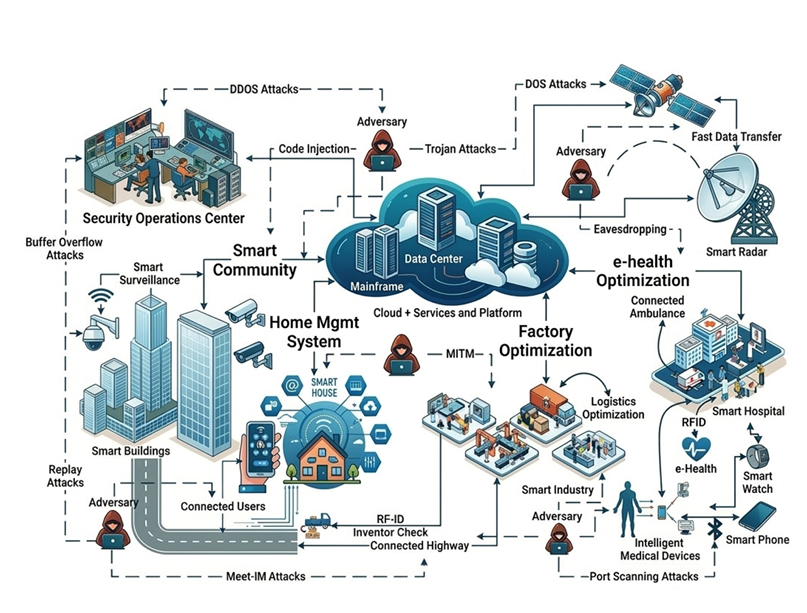
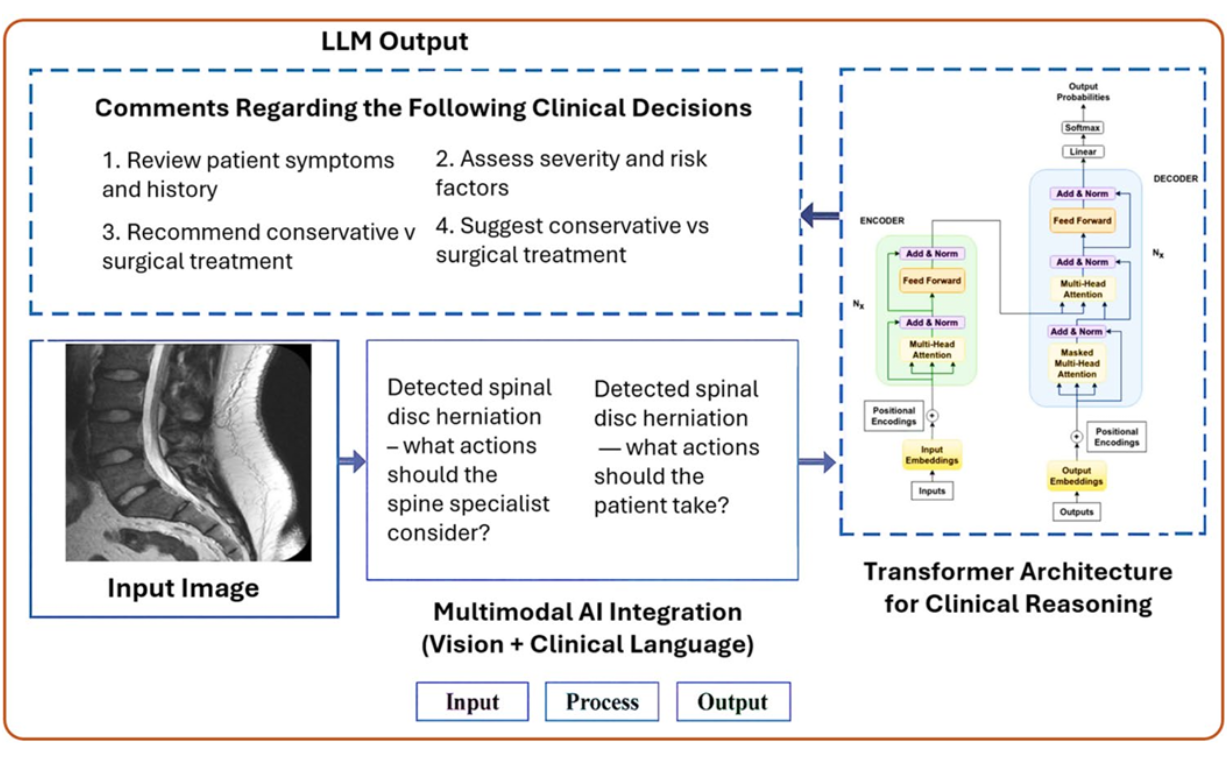
My work combines production-minded software engineering with machine learning, computer vision, and their application to healthcare,
biomedical engineering, and environmental systems. Core areas include medical image analysis
— spanning automated spinal biomechanics simulation, tumor segmentation, and neurological
disease classification — as well as federated learning, hardware-rooted AI security, and
AI-driven environmental optimization. I collaborate with the
Marcus Neuroscience Institute
at Baptist Health South Florida,
working under the clinical mentorship of
Dr. Frank Vrionis
and in partnership with Ms. Wendy Elliott, (Assistant Vice President). A unifying theme across my work is developing
robust, generalizable systems that bridge theoretical advances, clean implementation, and real-world clinical or engineering deployment.
I have authored 51+ peer-reviewed papers with 3,408 citations, an h-index of 31,
and an i10-index of 48 (Google Scholar). I am ranked among the World’s Top 2% Scientists
(Elsevier/Stanford ranking, 2024–2025) and among the top 1,000 AI and environmental scientists
worldwide. I hold a Top 1% reviewer distinction in Computer Science and Cross-Field on the
Web of Science, and have served as a reviewer for more than 100 international journals and as a
technical program co-chair and committee member for IEEE conferences including ICTS4eHealth,
FLLM2024, IACC, HECST, and WCETAS.
Open to Collaboration:
I welcome research collaborations in Machine Learning, Computer Vision, AI for Healthcare, and Environmental AI.
Feel free to reach out at mahmadi2021@fau.edu — I am always happy to discuss potential research synergies.
News
- [2026]Speaker at the Next-Generation AI & Machine Learning Conference (Nxt AI-2026), Boston, November 2–4, 2026.
- [2026]Paper published in Neural Computing and Applications: A decade of fuzzy set-based forecasting models: a bibliometric analysis of trends and research patterns.
- [2026]Appointed Guest Editor for the Bioengineering Special Issue AI-Driven Biomedical Imaging and Disease Detection (Impact Factor: 4.4).
- [2026]New preprint: Physically Unclonable Functions for Secure IoT Authentication and Hardware-Anchored AI Model Integrity — arXiv:2604.21188.
- [2025]Paper accepted in Scientific Reports (Nature): Streamlined patient-specific modeling for lumbar spine segmentation and finite element analysis (PMID: 41083563).
- [2025]Paper accepted in World Neurosurgery: Automated Finite Element Modeling of the Lumbar Spine.
- [2025]Member of the Proposal Review Committee for the Fondecyt Initiation Research Grant, ANID, Chile.
- [2025]Technical Program Co-Chair, 5th IEEE International Conference on ICT Solutions for eHealth (ICTS4eHealth), Bologna, Italy.
- [2025]Technical Program Committee member, 2nd International Conference on Foundation and Large Language Models (IEEE – FLLM2024), Dubai, UAE.
- [2025]Committee Member, International Conference on AI & Machine Learning, Osaka, Japan.
- [2025]Committee Member, International Conference on Hydraulic Engineering Calculation and Simulation Technology (IEEE – HECST2025), Guilin, China.
- [2024]Recognized as one of the Best Researchers at Florida Atlantic University.
- [2024]Ranked among the World’s Top 2% Scientists for the second consecutive year (Elsevier/Stanford ranking).
- [2024]Ranked among the Top 1,000 AI and environmental scientists out of ~200,000 worldwide.
- [2024]Recognized as Top 1% best reviewer in Computer Science and Cross-Field on Web of Science.
- [2024]Committee Member, 14th International Advanced Computing Conference (IACC-IEEE), December 2024.
- [2024]Committee Member, 3rd World Conference on Engineering, Technology, and Applied Science (WCETAS-Bangkok-2024).
- [2024]Paper published in PLoS ONE: A deeply supervised adaptable neural network for Alzheimer’s severity diagnosis.
- [2023]Ranked among the World’s Top 2% Scientists (Elsevier/Stanford ranking, 2023).
- [2022]Received the Best Researcher award at the 13th International Advanced Computing Conference (IACC, IEEE).
Awards & Honours
- [2025]FAU Top Student Recognition (Among the Best Researchers, Florida Atlantic University)
- [2025]World’s Top 2% Scientist (Stanford University, Elsevier BV, ID: A69702)
- [2024]FAU Top Student Recognition (4.0 GPA, Florida Atlantic University)
- [2024]World’s Top 2% Scientist (Stanford University, Elsevier BV, ID: B145922), also ranked among the top 1000 Artificial Intelligence and Environmental Scientists out of roughly 200,000 scientists.
- [2022]IEEE IACC Top Researcher Award (13th International Advanced Computing Conference)
- [2021]Publons Academy Mentor (over 500 reviews in ISI journals)
- [2021]Publons Academy Excellent Reviewer Award (Publons Academy)
- [2020]Publons Academy Graduate (Publons Academy)
- [2019]Top 1% Reviewer in Computer Science (Web of Science)
- [2019]Top 1% Reviewer in Cross-Field (Web of Science)
- [2018]1st Rank Reviewer (Neurocomputing Journal)
- [2016]1st Rank Among Master Students (Urmia University of Technology)
Research
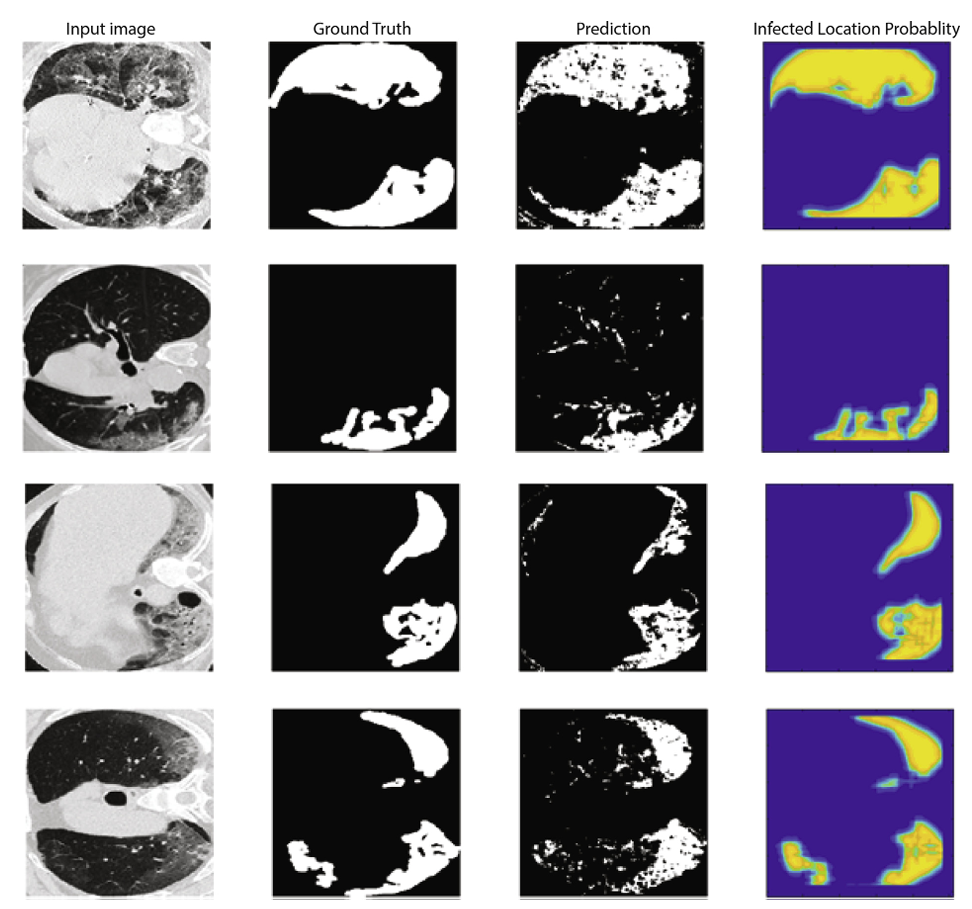
Deep Learning for Medical Image Analysis & Visual Recognition
My work centers on neural network pipelines for automated segmentation, detection, and classification
in medical and engineering imagery, with particular attention to when large vision foundation models
generalize to specialized domains versus when task-specific training remains necessary.
More details
AI for Biomedical Engineering & Clinical Decision Support
We design computational pipelines integrating deep learning with physics-based modeling for
patient-specific clinical applications, spanning spinal biomechanics, neurological disease grading,
and tumor characterization from medical imaging.
More details
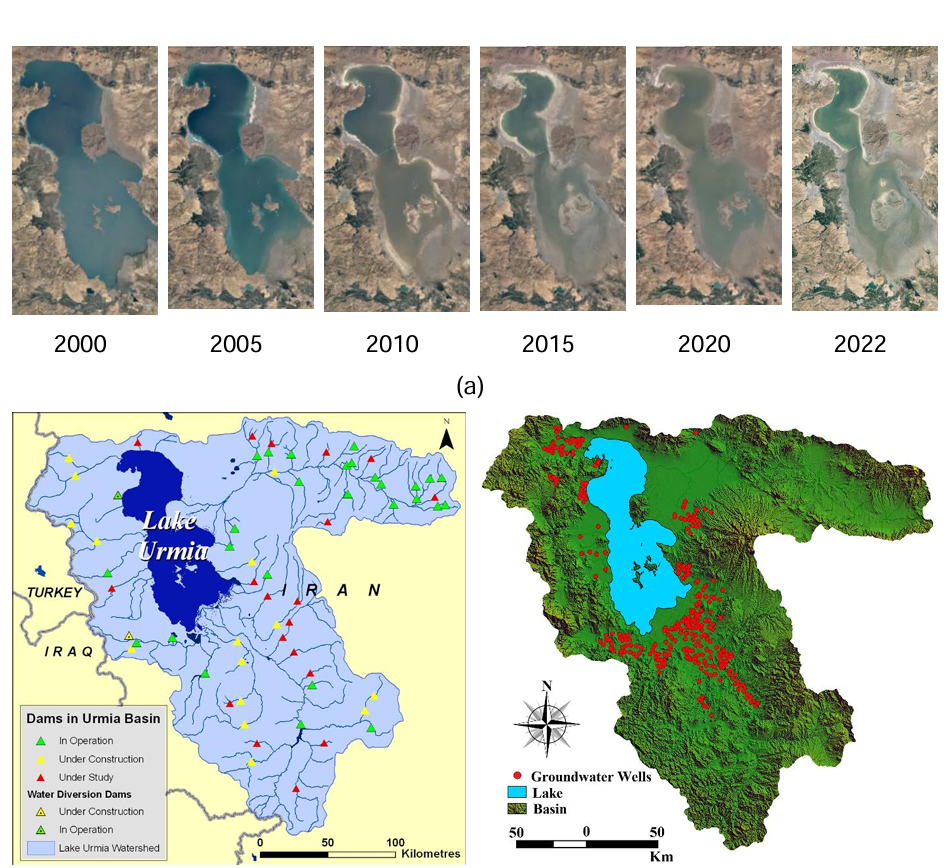
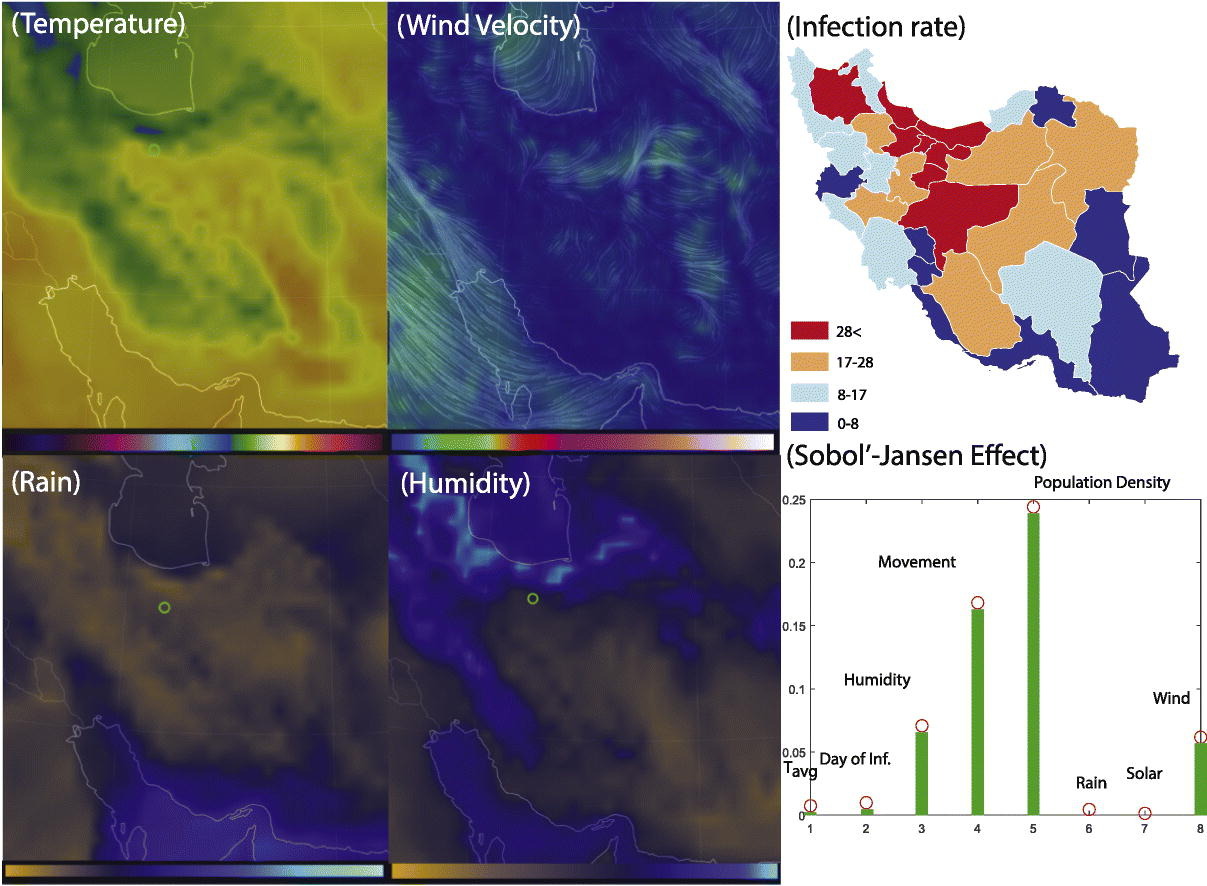
Federated Learning, Secure AI & Intelligent Environmental Systems
This direction addresses scalability, security, and real-world deployment of machine learning in
distributed and resource-constrained environments, alongside AI-driven approaches to environmental
monitoring and resource optimization.
More details
Selected Engineering Projects
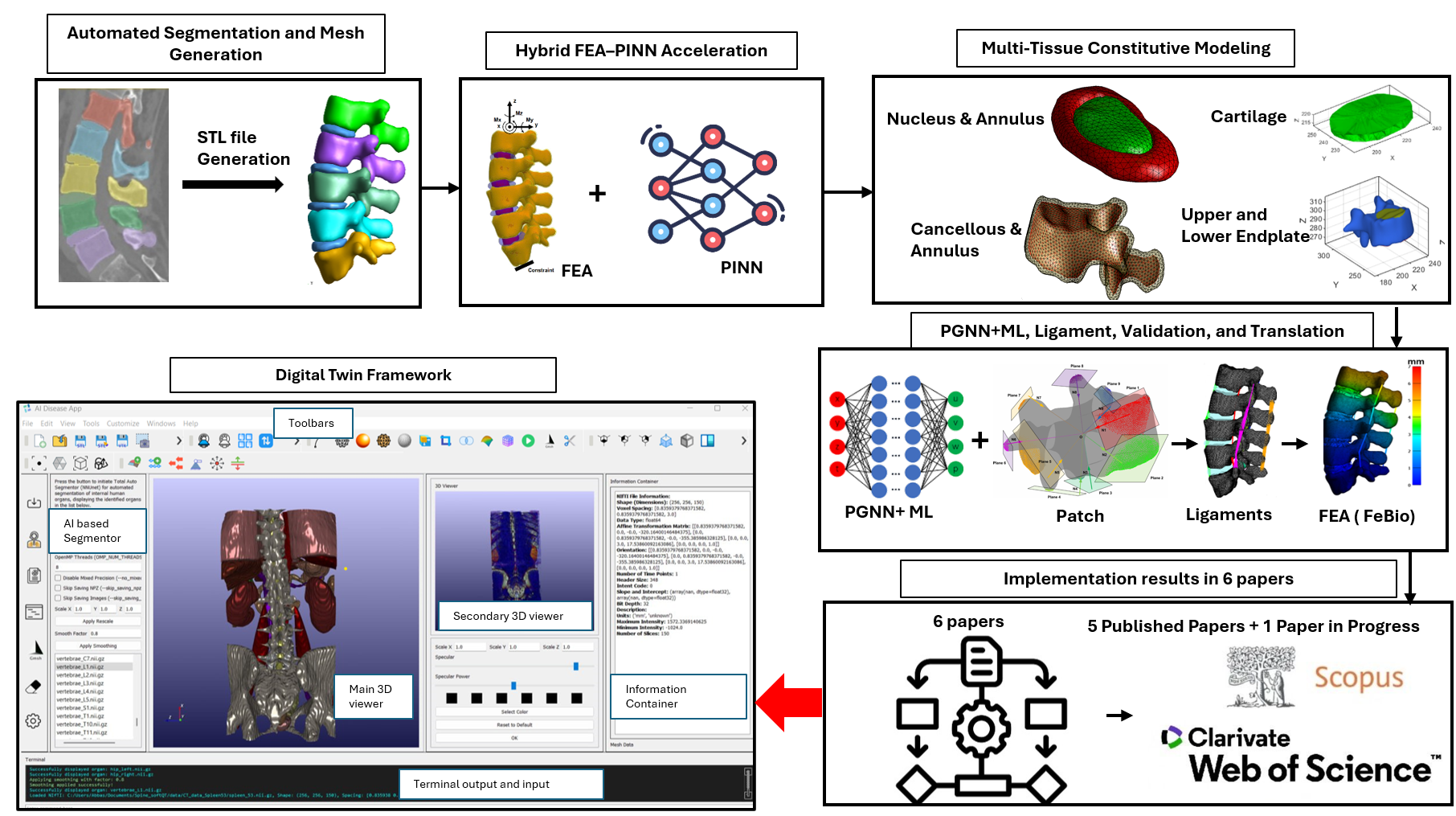
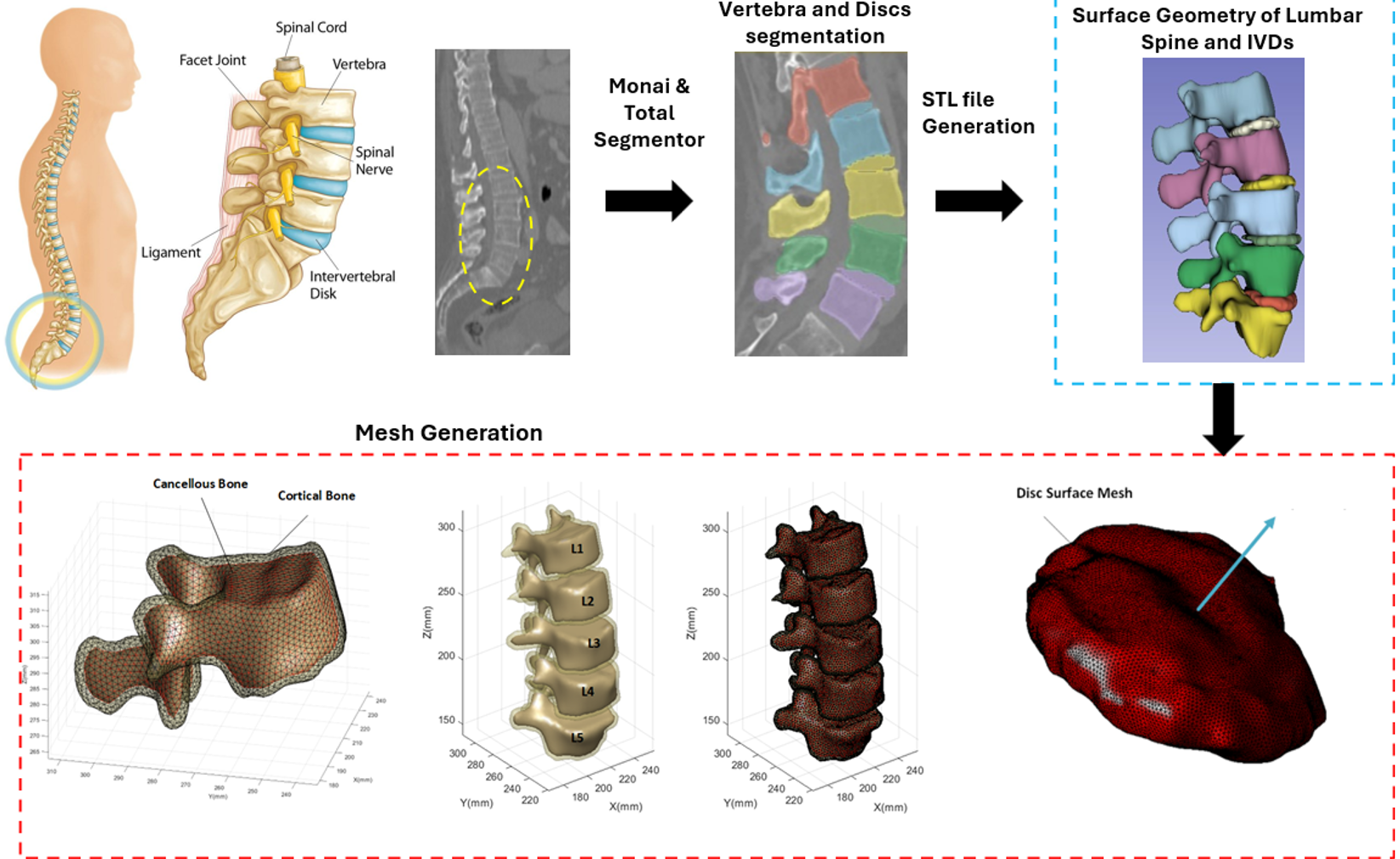
Patient-Specific Spine AI Pipeline
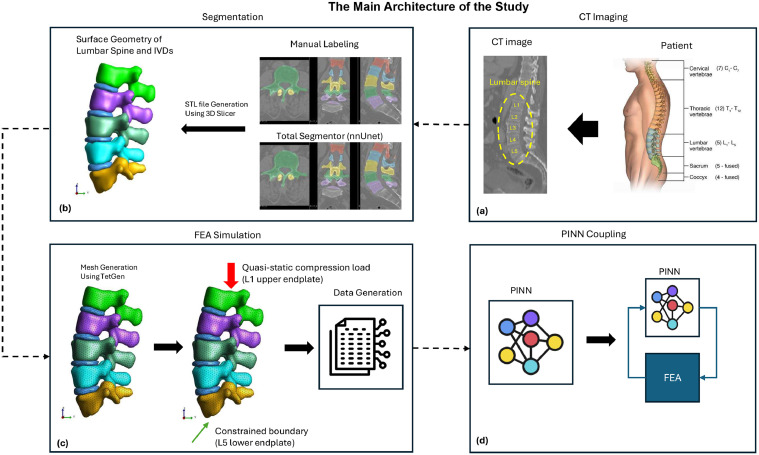
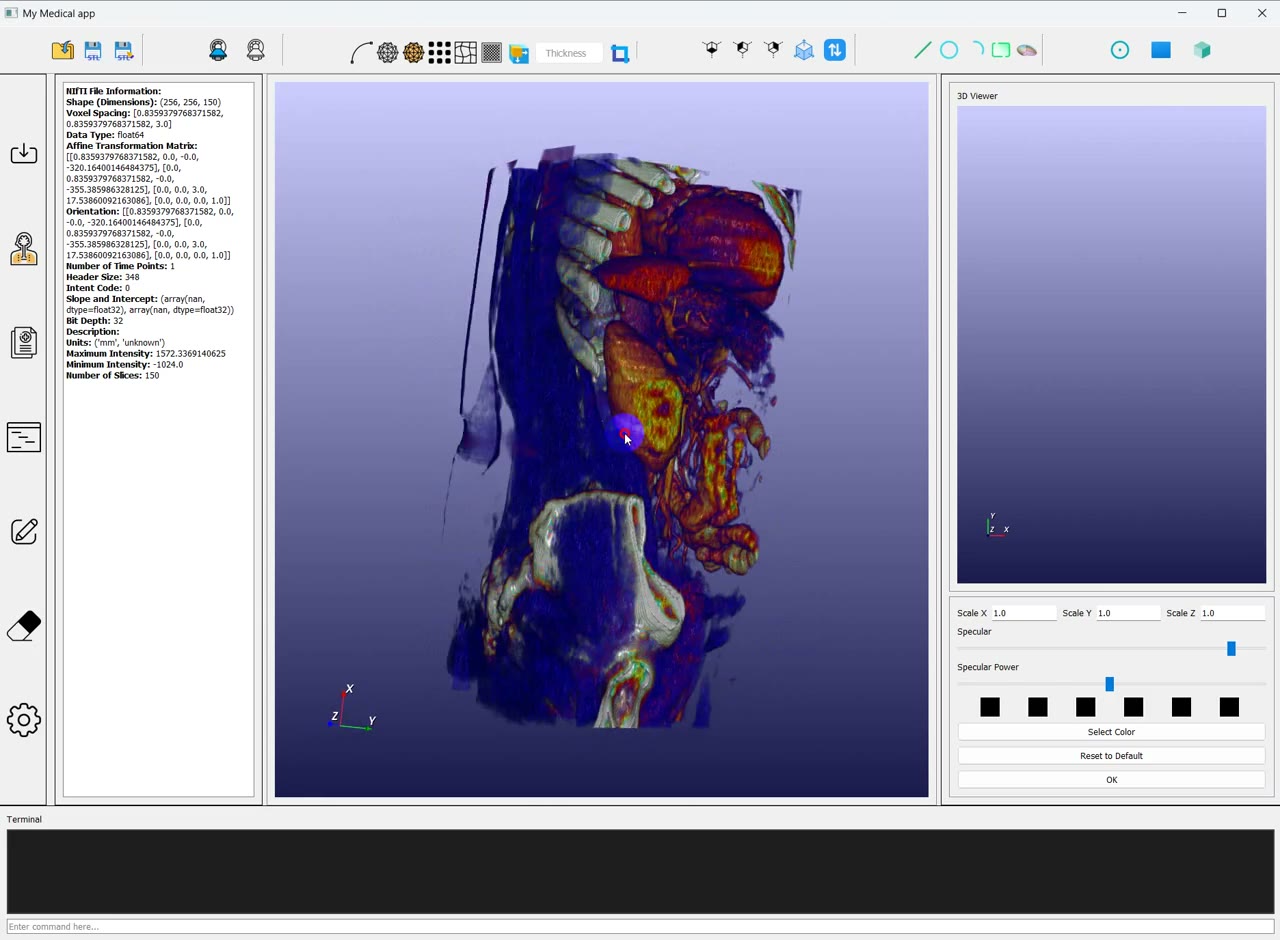
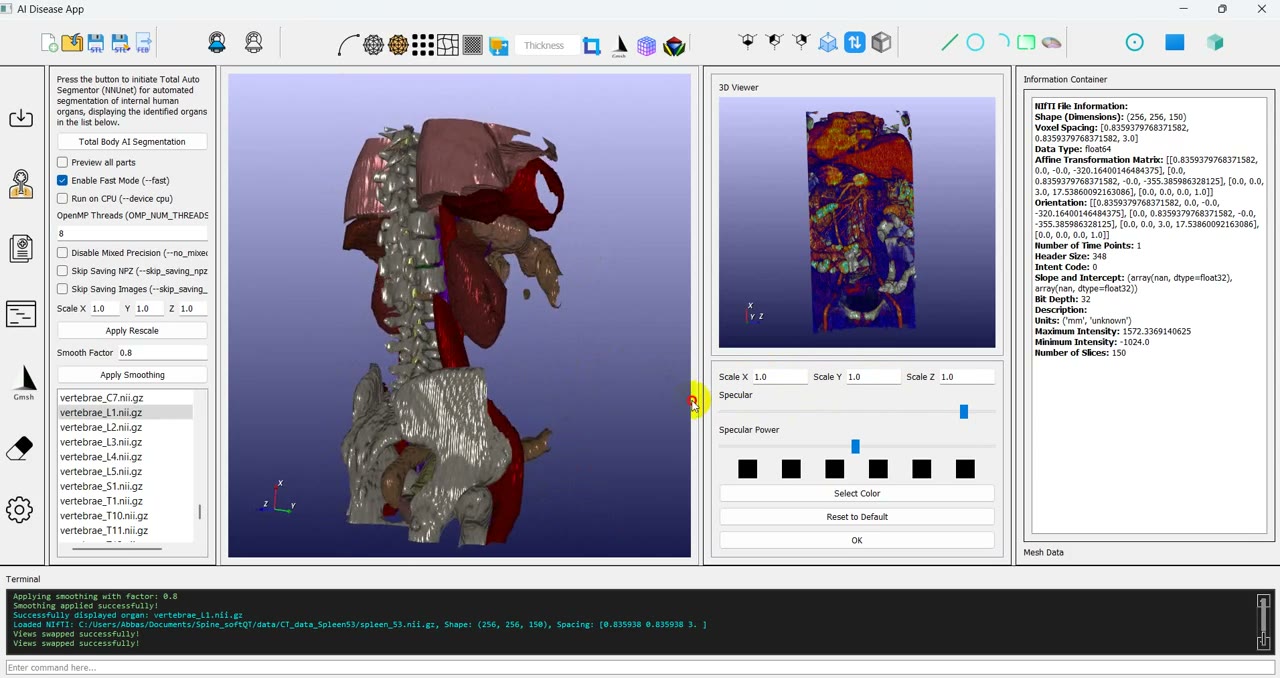
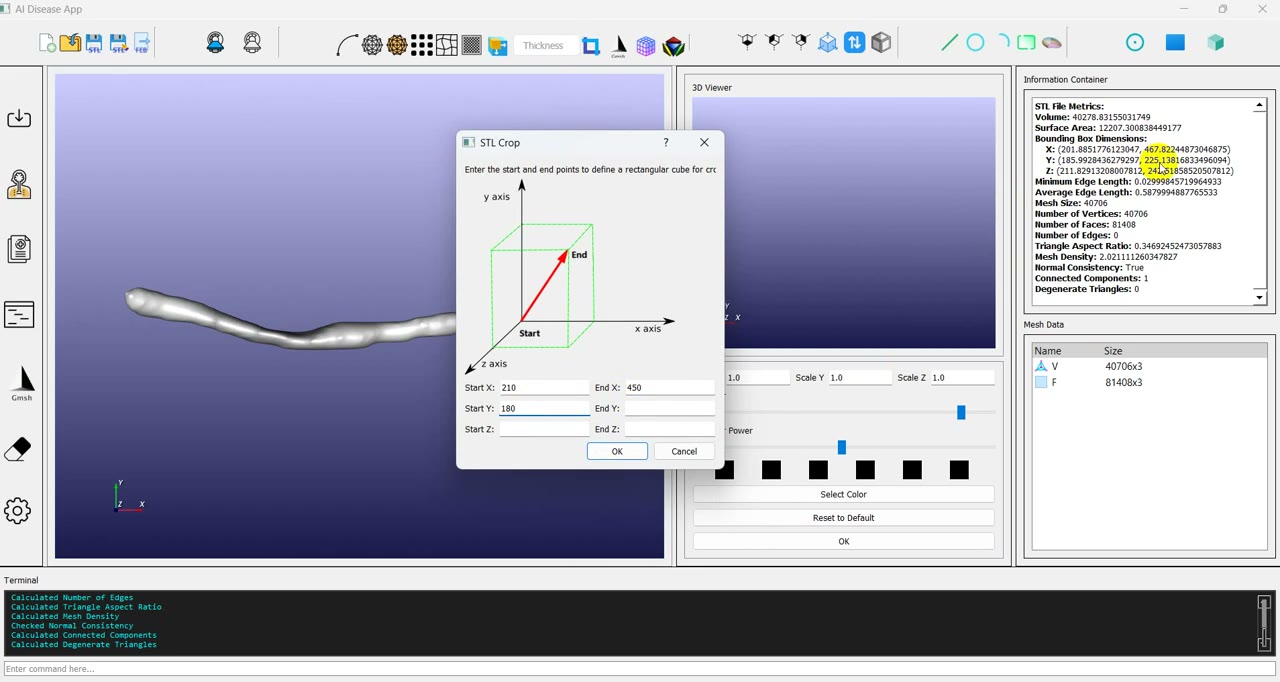
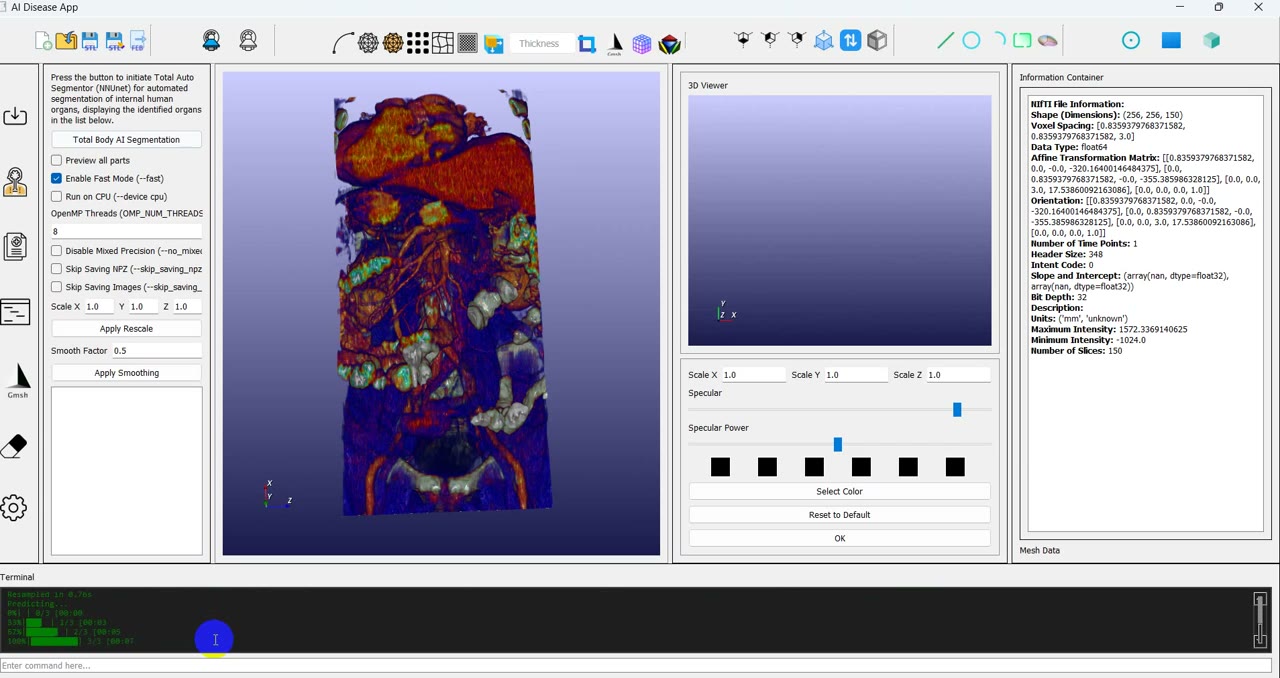
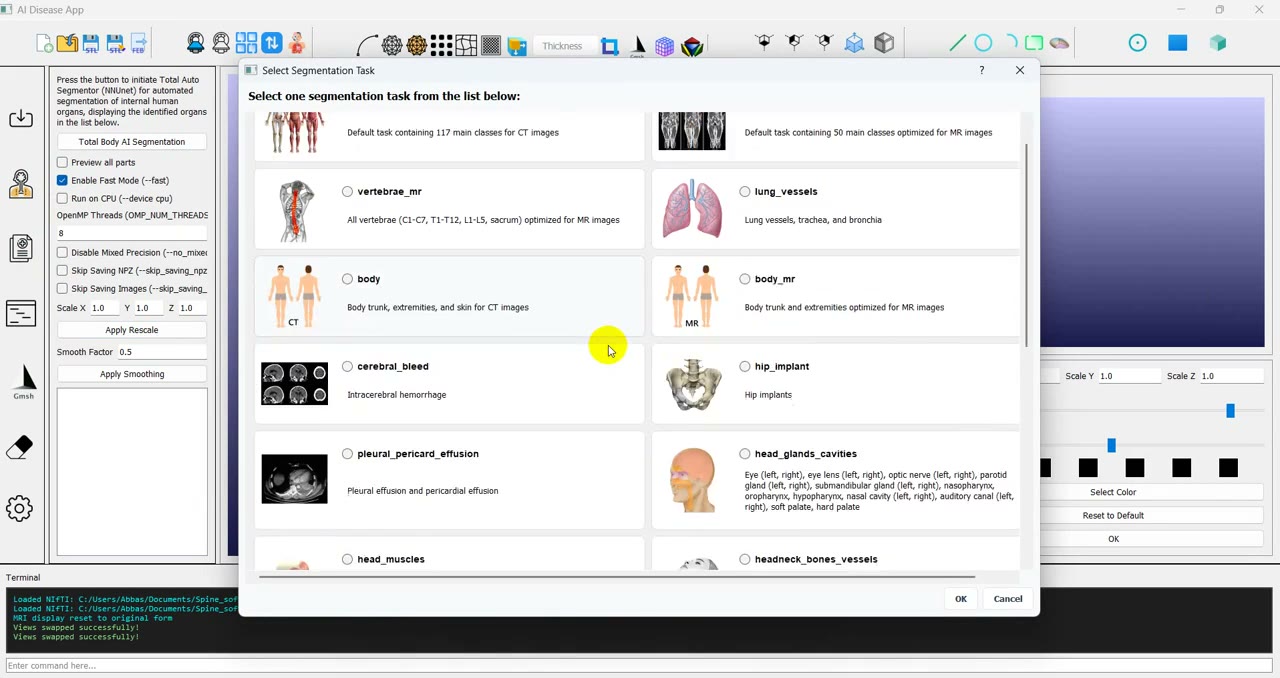
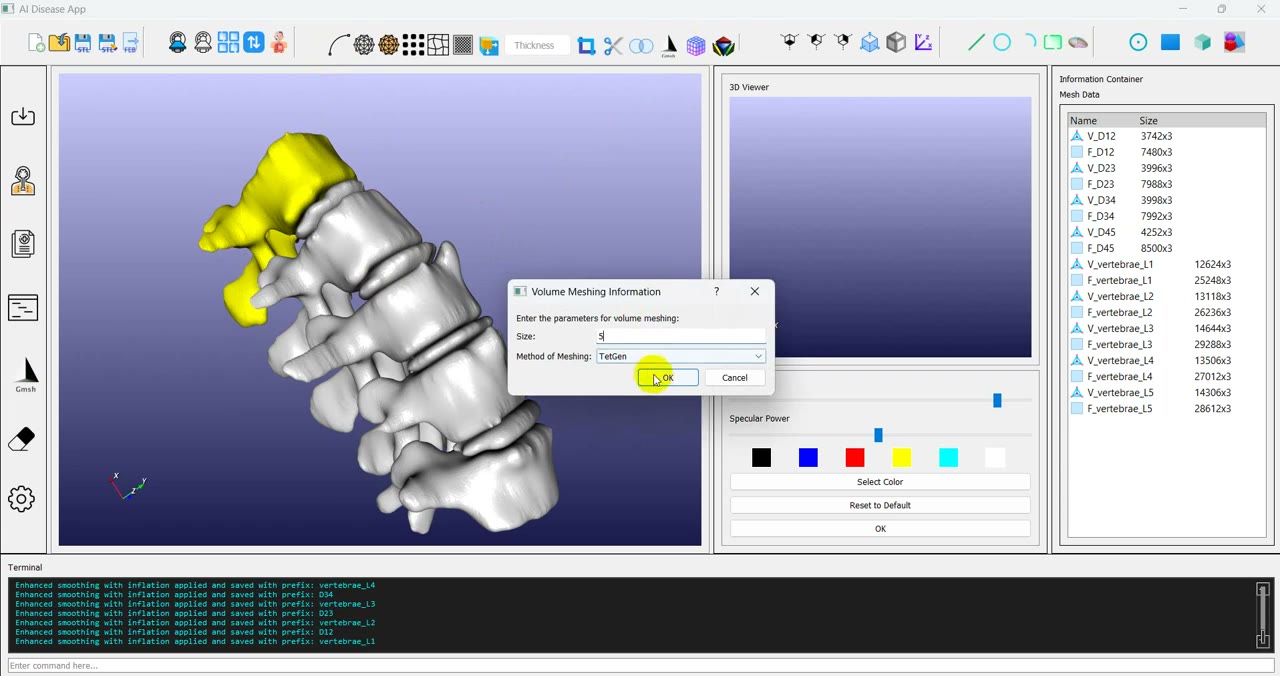
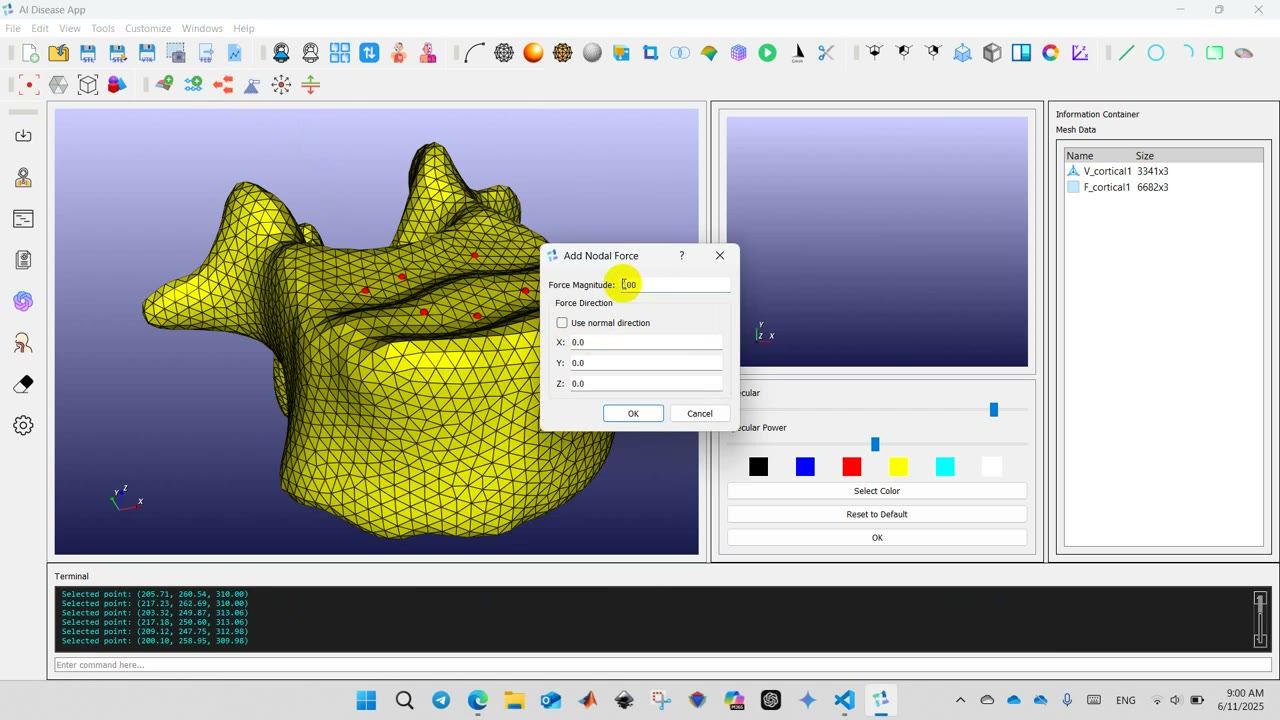
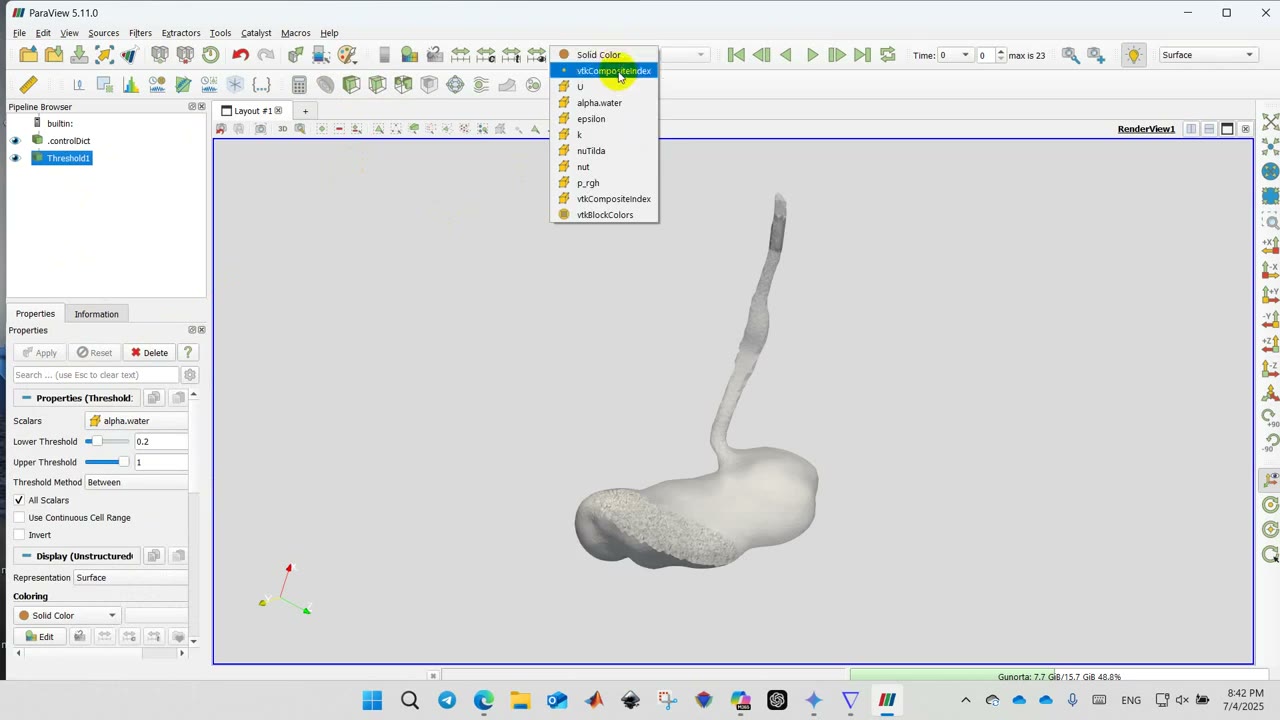
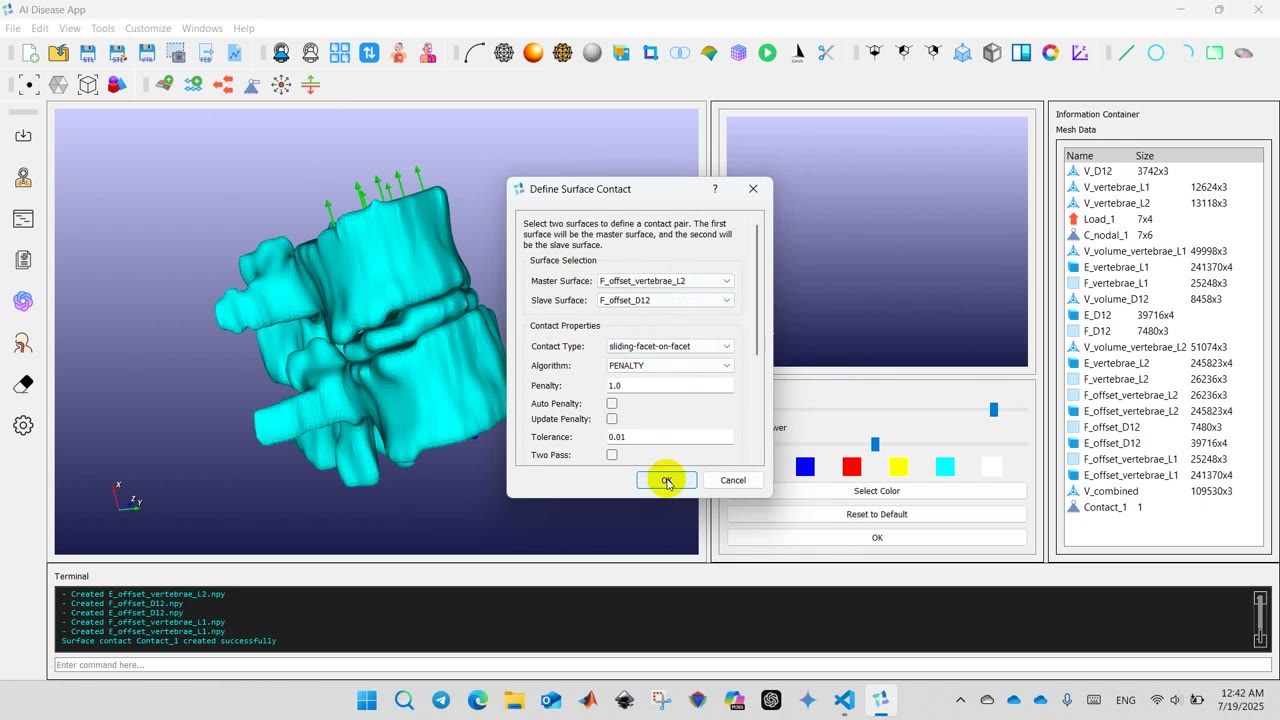
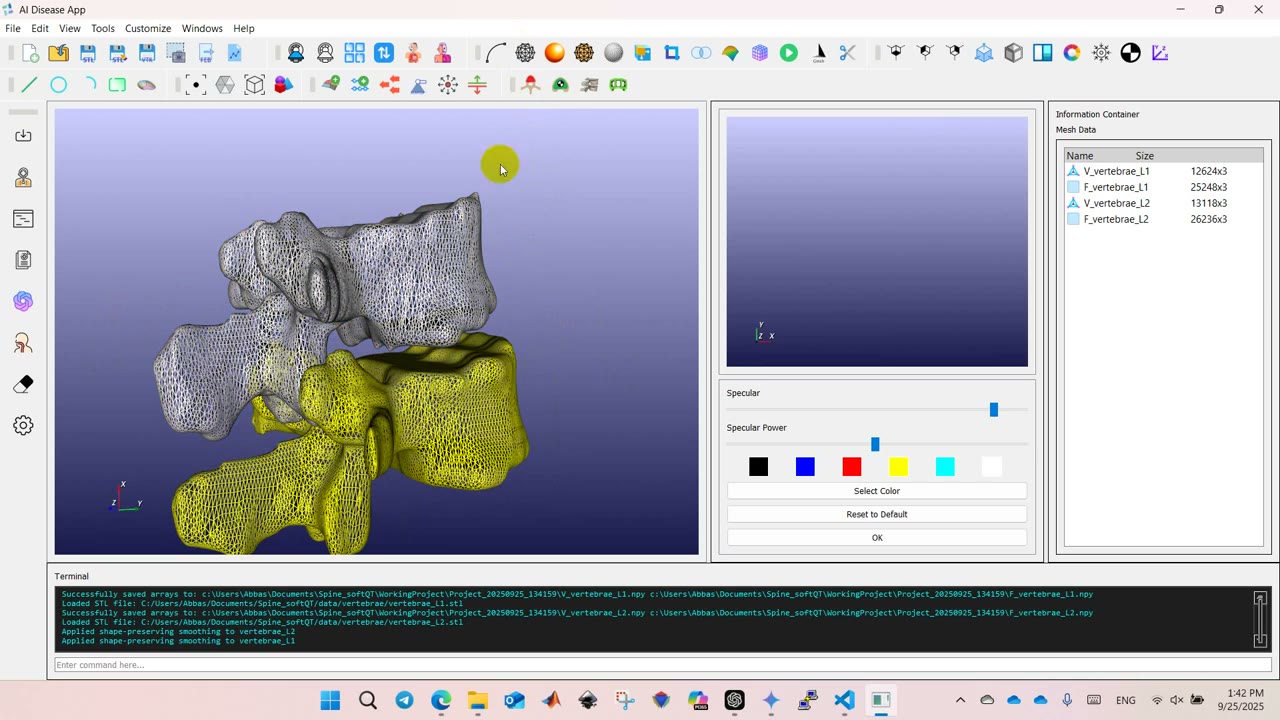
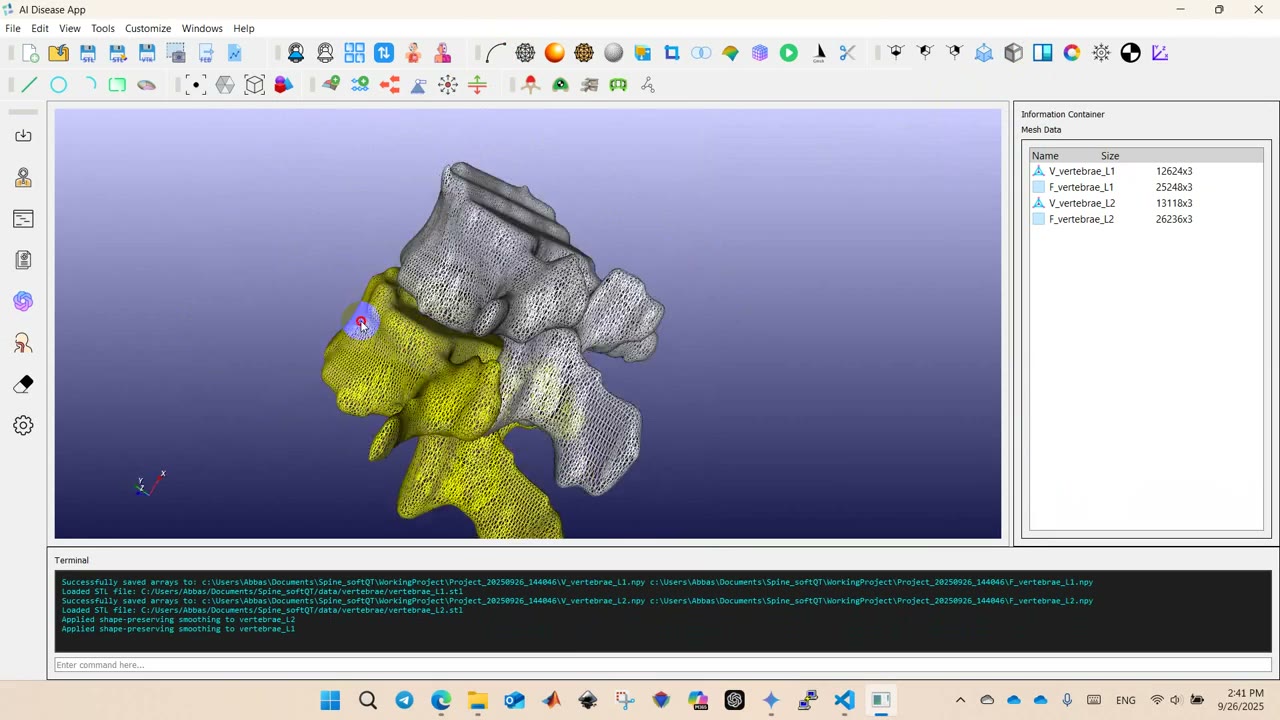
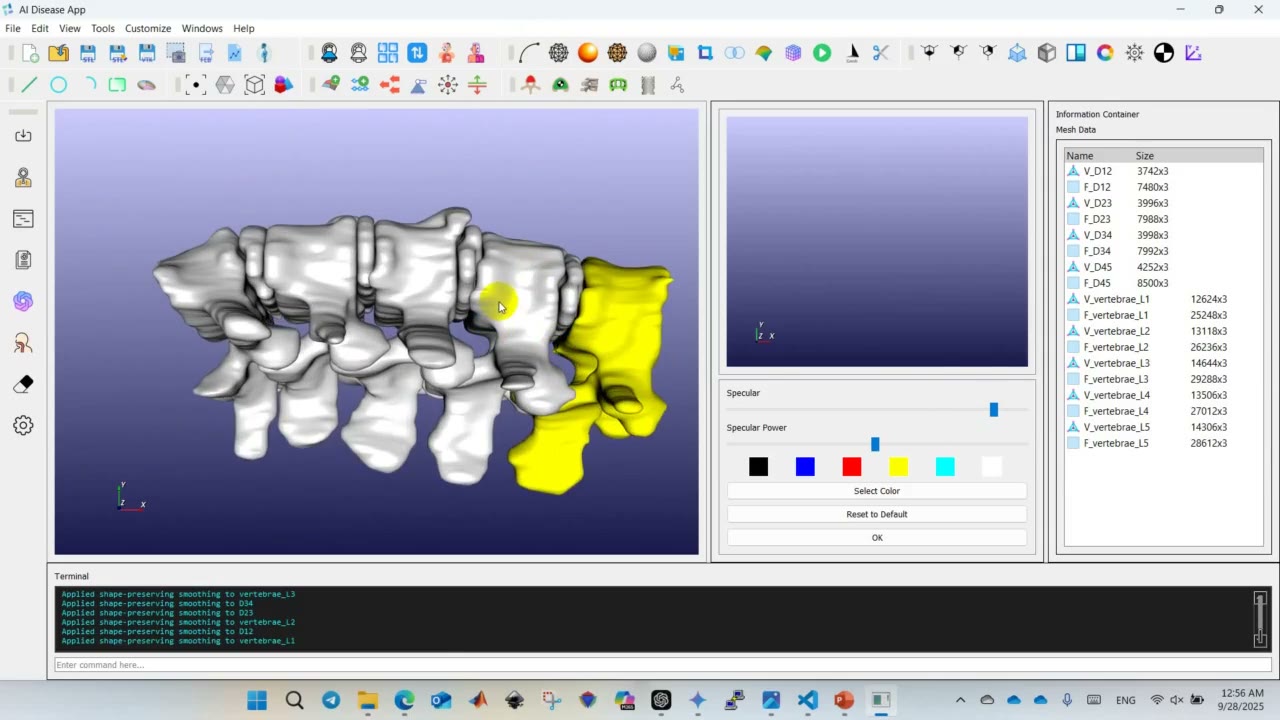
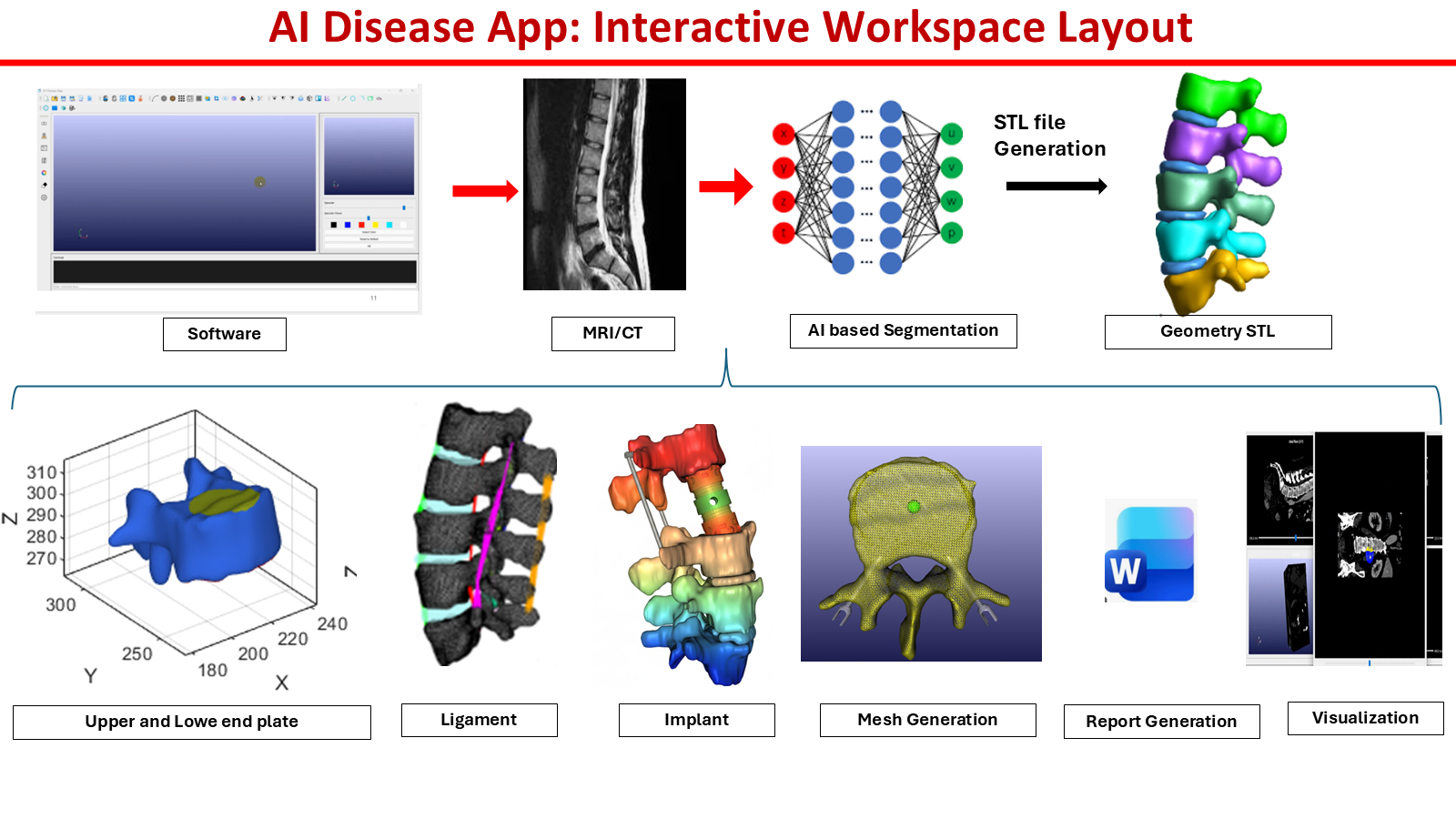
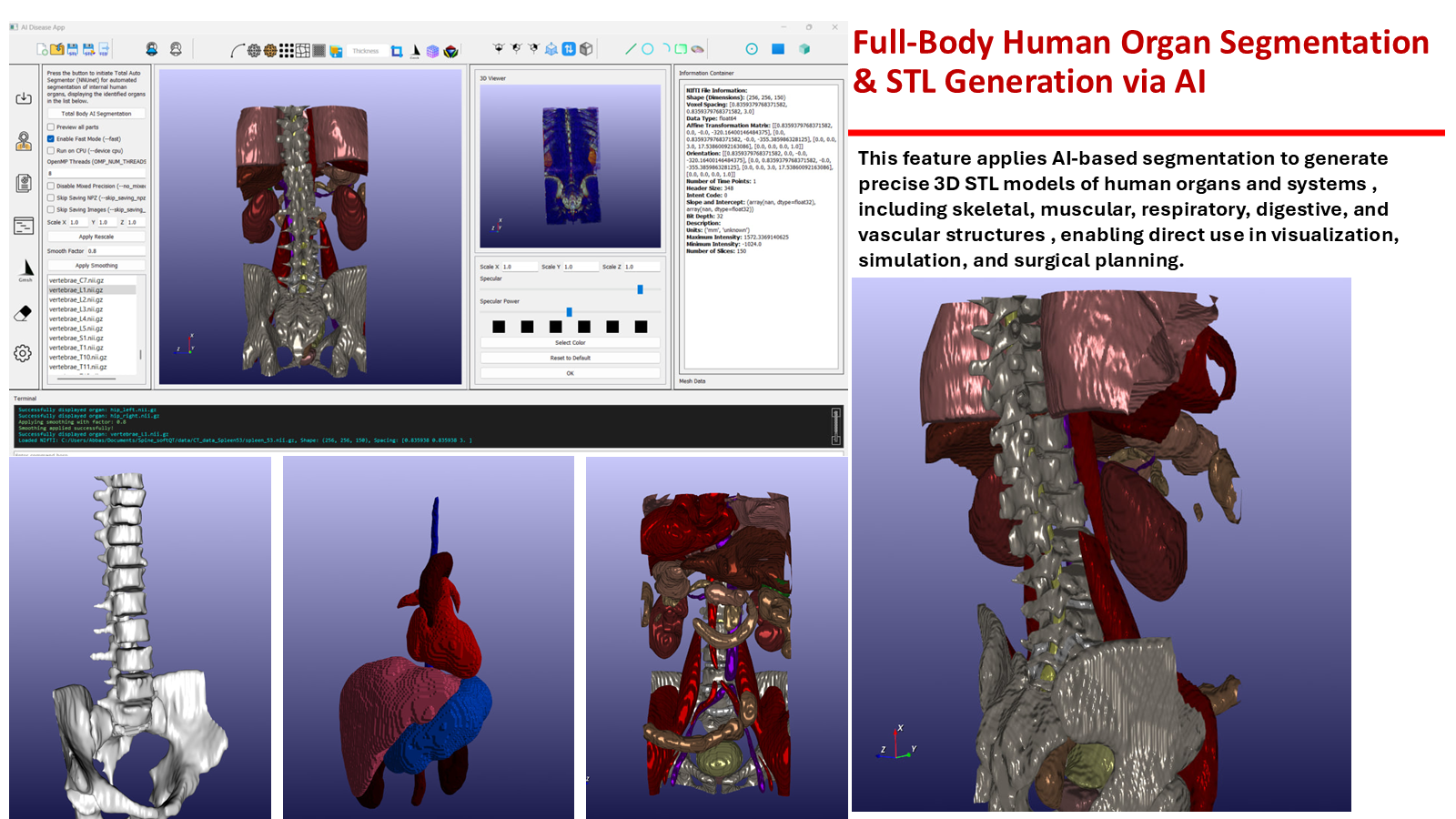
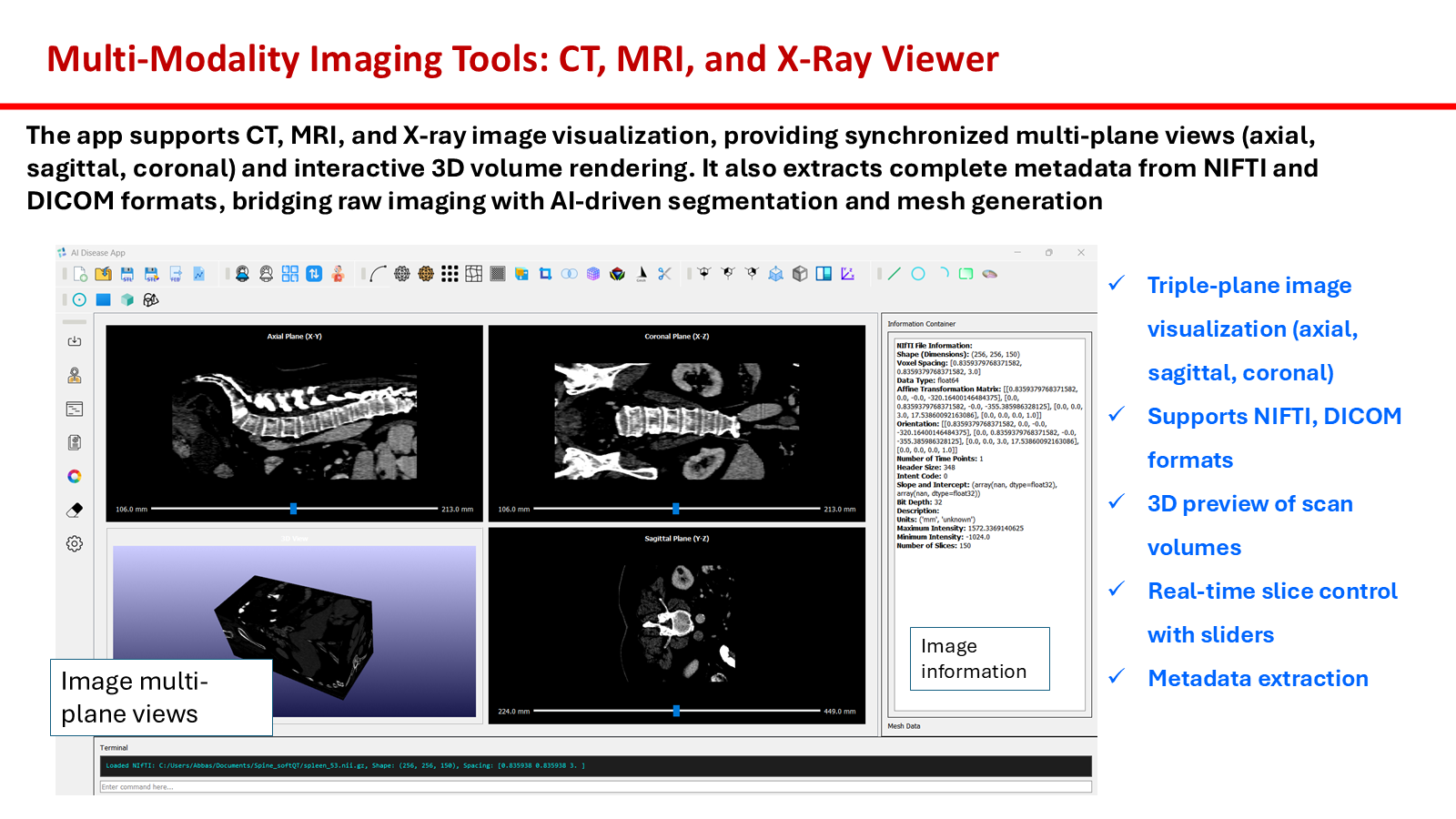
End-to-end medical imaging workflow for lumbar spine segmentation, mesh preparation, and finite element analysis, designed to reduce manual preprocessing and support clinical biomechanics research.
PythonDeep LearningFEAMedical Imaging
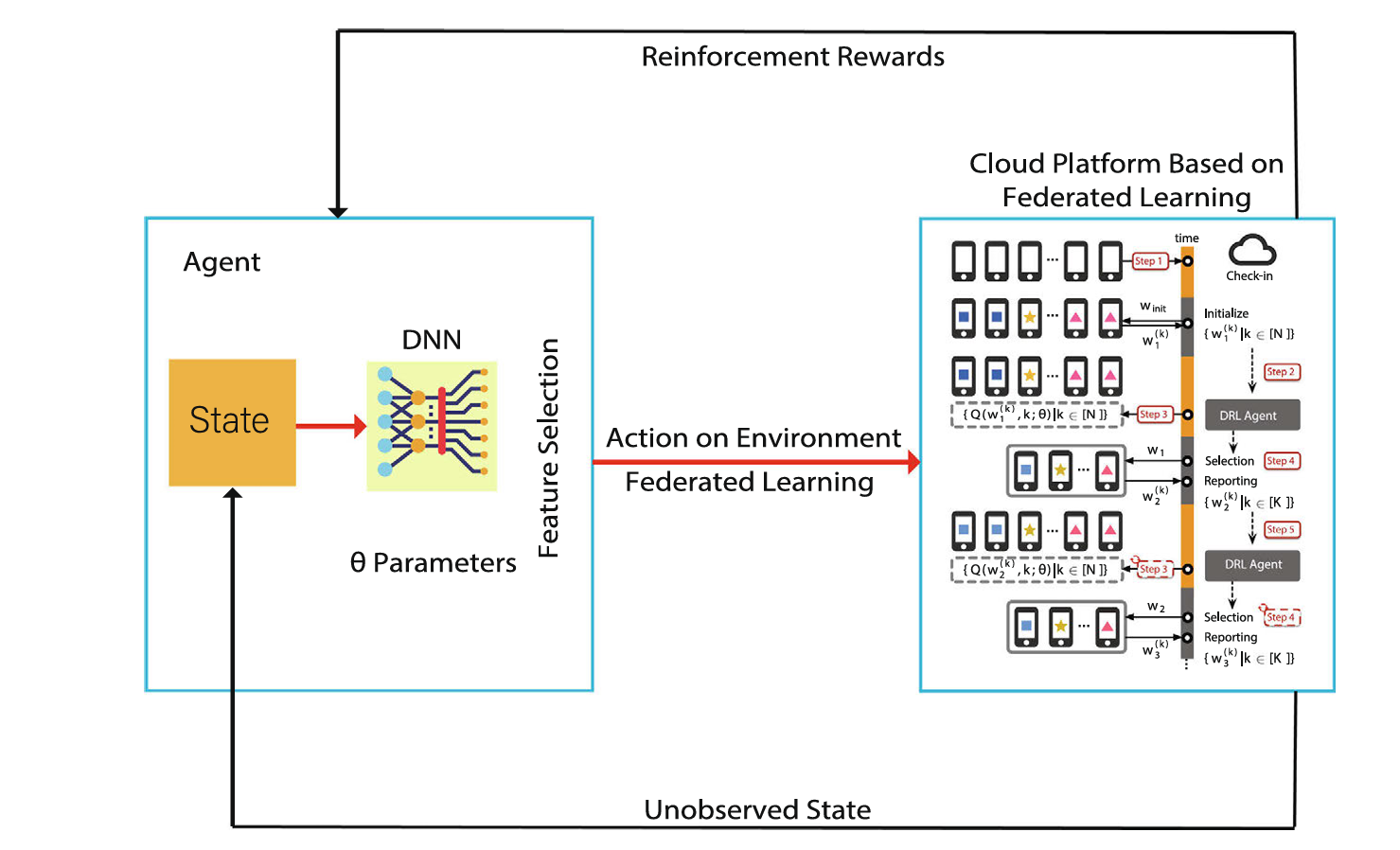
Secure Federated Learning Systems
Research software and algorithm design for distributed learning, intelligent client selection, and hardware-anchored model integrity across privacy-sensitive AI environments.
Federated LearningSecurityIoTOptimization
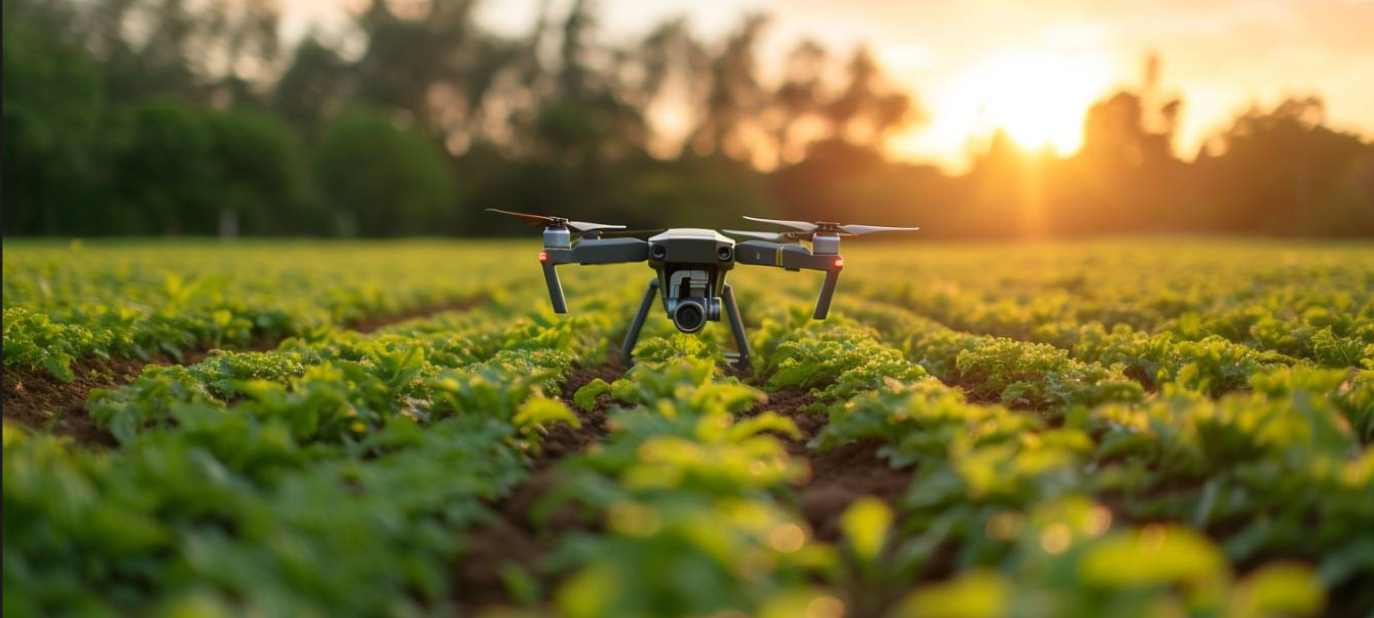
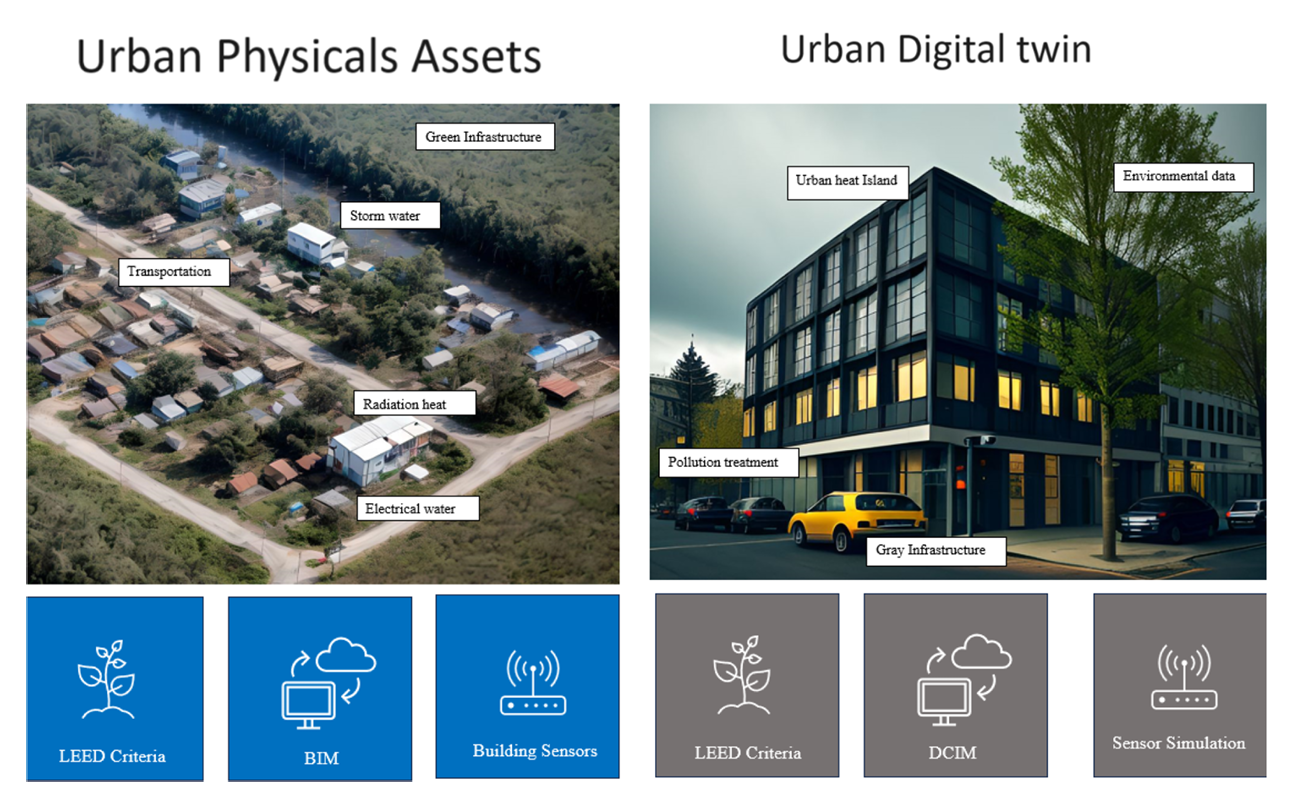
Environmental AI & Optimization
Machine learning and multi-objective optimization models for water allocation, smart-city energy management, digital twins, and environmental decision support.
OptimizationSmart CitiesDigital TwinML
Open Research Code Portfolio
Source-code releases for medical image classification, fractal feature analysis, CNN feature-map compression, terrain segmentation, and patient-specific spine modeling. Data, model weights, patient records, and bundled third-party software are excluded.
MATLABPythonPyTorchReproducibility
Publications
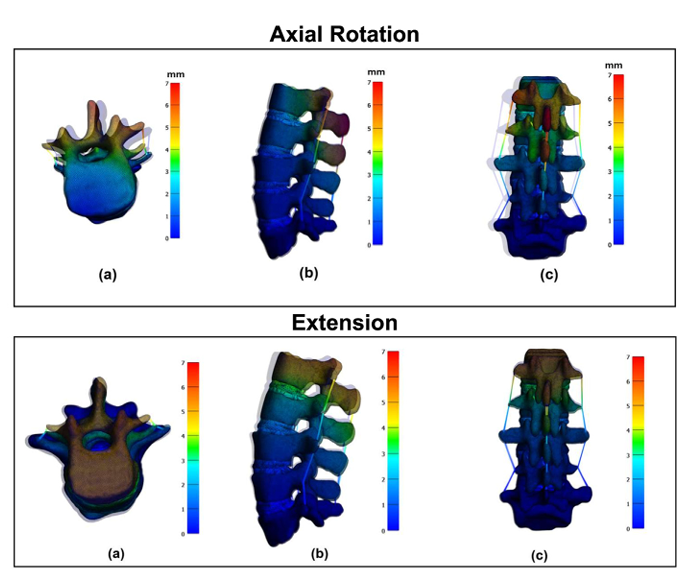
Streamlined and Efficient Patient-Specific Modeling for Lumbar Spine Segmentation and Finite Element Analysis
M Ahmadi, H Chen, M Lin, D Biswas, J Doulgeris, Y Tang, ED Engeberg, J Hashemi, G Pires, FD Vrionis
Scientific Reports (Nature), 2025
DOI /
PubMed /
Code /
Summary
A streamlined patient-specific workflow integrating deep learning-based segmentation with the
GIBBON library and FEBio, fundamentally transforming the FEA preprocessing pipeline and enabling
rapid, accurate lumbar spine biomechanical simulations from medical imaging data.
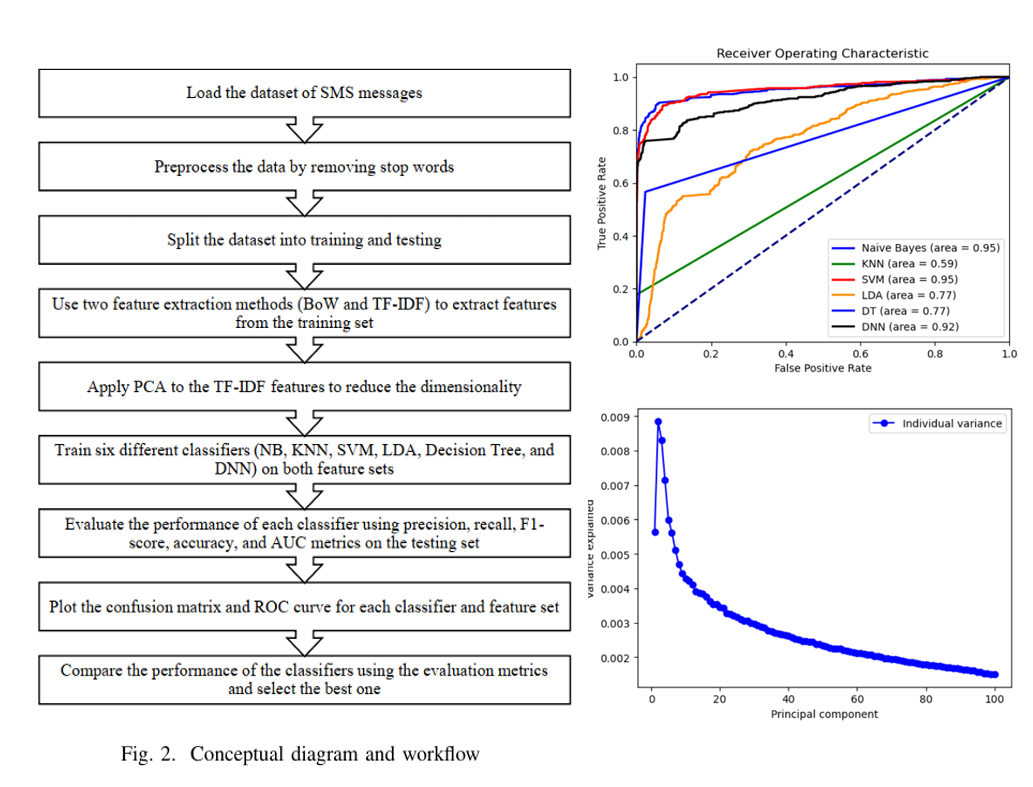
Leveraging Large Language Models for Cybersecurity: Enhancing SMS Spam Detection with Robust and Context-Aware Text Classification
Mohsen Ahmadi, Matin Khajavi, Abbas Varmaghani, Ali Ala, Kasra Danesh, Danial Javaheri
Cyber-Physical Systems, 12(3), 277–303, 2025
DOI /
Journal /
Summary
Evaluates Naive Bayes, KNN, SVM, LDA, Decision Trees, and DNN classifiers using bag-of-words and
TF-IDF feature extraction for SMS spam detection, benchmarking LLM-enhanced approaches for
robust, context-aware cybersecurity classification.
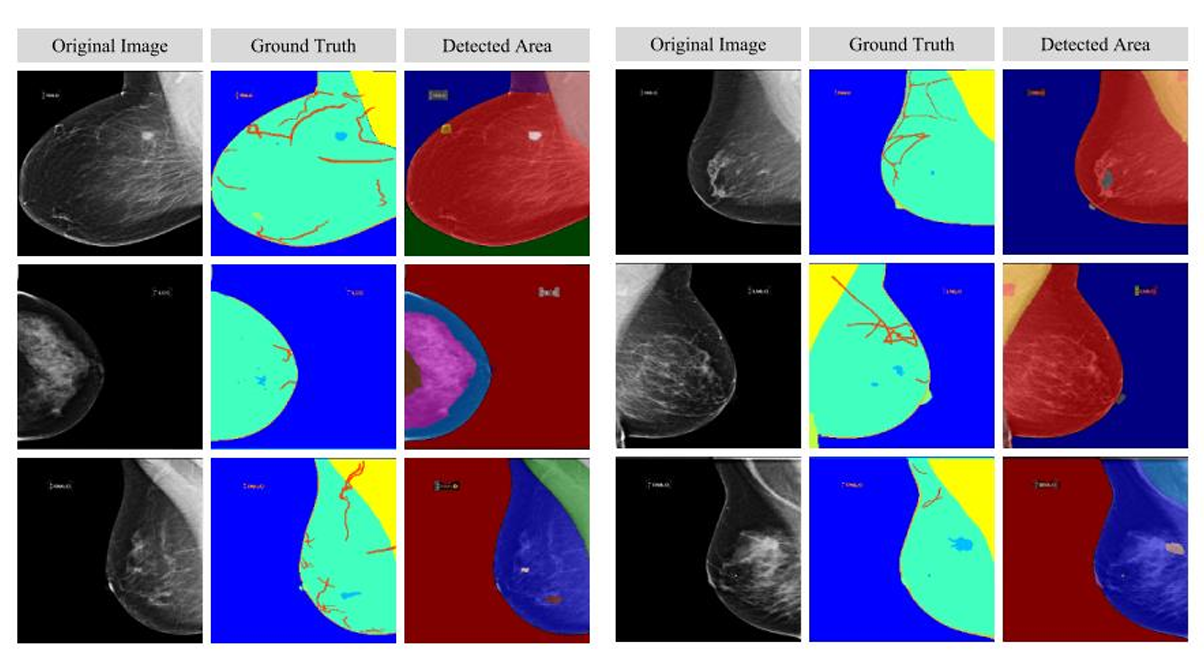
Comparative Analysis of Segment Anything Model and U-Net for Breast Tumor Detection in Ultrasound and Mammography Images
Mohsen Ahmadi, Masoumeh Farhadi Nia, Sara Asgarian, Kasra Danesh, Elyas Irankhah, Ahmad Gholizadeh Lonbar, Abbas Sharifi
Computational Intelligence, 41(5), e70145, 2025
DOI /
Journal /
Summary
Benchmarks SAM and U-Net for breast tumor segmentation in both ultrasound and mammographic images.
U-Net outperforms pretrained SAM for irregular shapes, indistinct boundaries, and high tumor
heterogeneity, highlighting the importance of task-specific architectures in medical imaging.
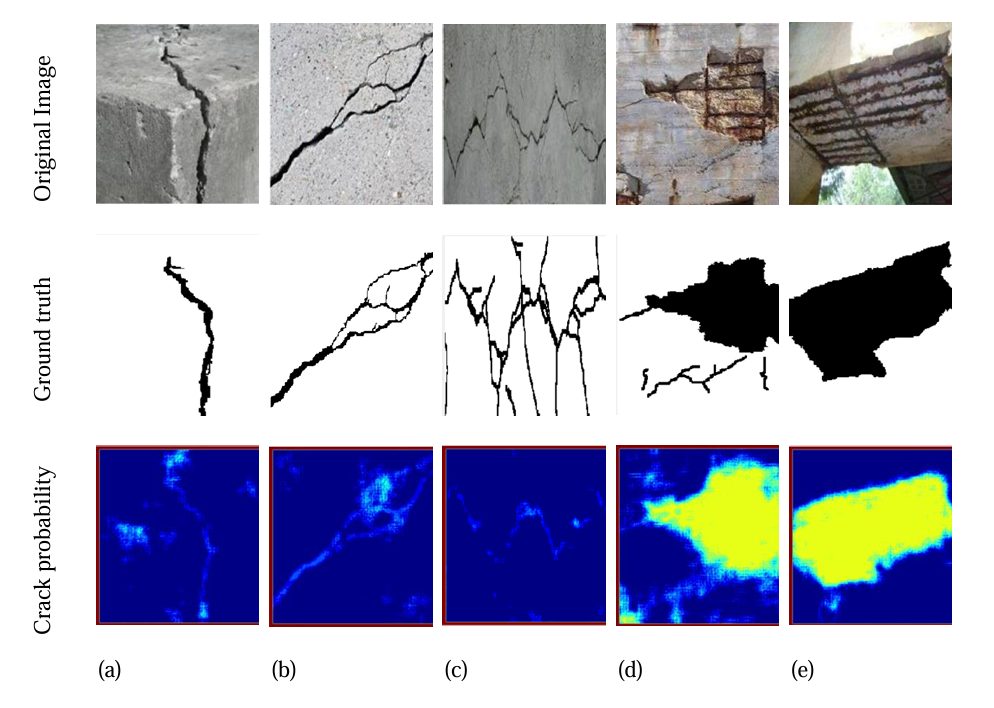
Application of Segment Anything Model for Civil Infrastructure Defect Assessment
Mohsen Ahmadi, Ahmad Gholizadeh Lonbar, Hajar Kazemi Naeini, Ali Tarlani Beris, Mohammadsadegh Nouri, Amir Sharifzadeh Javidi, Abbas Sharifi
Innovative Infrastructure Solutions, 10, 269, 2025
DOI /
Journal /
Code /
Summary
Evaluates SAM and U-Net for concrete crack detection in bridges, buildings, and roads.
SAM excels at longitudinal crack identification; U-Net is superior for spalling detection.
A combined approach achieves the best overall performance for infrastructure safety assessment.
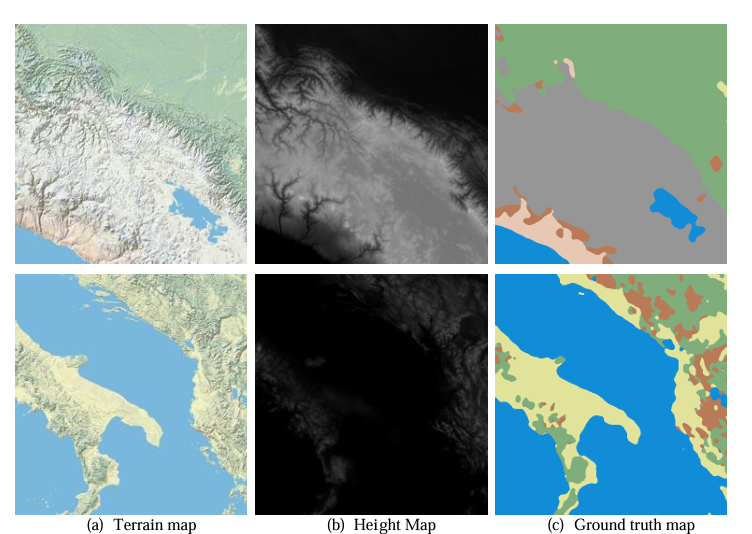
Supervised Multi-Regional Segmentation Machine Learning Architecture for Digital Twin Applications in Coastal Regions
Mohsen Ahmadi, Ahmad Gholizadeh Lonbar, Mohammadsadegh Nouri, Amir Sharifzadeh Javidi, Ali Tarlani Beris, Abbas Sharifi, Ali Salimi-Tarazouj
Journal of Coastal Conservation, 28, 44, 2024
DOI /
Journal /
Code /
Summary
Explores deep learning-based segmentation for digital twin terrain modeling using USGS data
to build global terrain and altitude maps for coastal regions, encoding land height and elevation
modifications with precision across 5,000 worldwide segments.
Revolutionizing spine surgery with emerging AI–FEA integration
Christopher Franceschini, Mohsen Ahmadi, Xuanzong Zhang, Kelly Wu, Maohua Lin, Ridge Weston, Angela Rodio, Yufei Tang, Erik Engeberg, Gui Pires, Talha S. Cheema, Frank D. Vrionis
Journal of Robotic Surgery, 2025
DOI /
Journal /
Summary
Examines the emerging integration of artificial intelligence and finite element analysis in
spine surgery, connecting data-driven clinical insight with patient-specific biomechanical
simulation to support diagnosis, planning, and precision care.
Integrating Finite Element Analysis and Physics-Informed Neural Networks for Biomechanical Modeling of the Human Lumbar Spine
Mohsen Ahmadi, Debojit Biswas, Rudy Paul, Maohua Lin, Yufei Tang, Talha S. Cheema, Erik D. Engeberg, Javad Hashemi, Frank D. Vrionis
North American Spine Society Journal (NASSJ), 22, 100598, 2025
DOI /
Code /
Summary
Integrates finite element analysis with physics-informed neural networks for biomechanical
modeling of the human lumbar spine.
Full list of 51+ publications on
Google Scholar and
ResearchGate.
Talks
Conference Presentations & Invited Talks
- [2026]Speaker, Next-Generation AI & Machine Learning Conference (Nxt AI-2026), Boston, November 2–4, 2026.
- [2025]Technical Program Co-Chair & Presenter, 5th IEEE International Conference on ICT Solutions for eHealth (ICTS4eHealth), Bologna, Italy.
- [2025]Invited Talk: AI for Medical Image Analysis and Patient-Specific Biomechanical Modeling, Florida Atlantic University Research Symposium.
- [2025]Session Chair & Presenter, 2nd IEEE International Conference on Foundation and Large Language Models (FLLM2024), Dubai, UAE.
- [2025]Presenter, International Conference on AI & Machine Learning, Osaka, Japan.
- [2025]Presenter, IEEE International Conference on Hydraulic Engineering Calculation and Simulation Technology (HECST2025), Guilin, China.
- [2024]Presenter, 14th International Advanced Computing Conference (IACC-IEEE), December 2024.
- [2024]Presenter, 3rd World Conference on Engineering, Technology, and Applied Science (WCETAS), Bangkok, Thailand.
- [2022]Best Researcher Award Presentation at the 13th International Advanced Computing Conference (IACC, IEEE) — recognized for contributions to ML and healthcare AI.
Academic Service
Editorial Board
Program Committee & Conference Roles
- Technical Program Co-Chair — 5th IEEE ICTS4eHealth, Bologna, Italy, 2025
- Technical Program Committee — IEEE FLLM2024, Dubai, UAE
- Committee Member — International Conference on AI & Machine Learning, Osaka, Japan, 2025
- Committee Member — 14th IACC-IEEE, December 2024
- Committee Member — 3rd WCETAS, Bangkok, 2024
- Committee Member — IEEE HECST2025, Guilin, China
- Member — Proposal Review Committee, Fondecyt / ANID, Chile, 2025
Journal Reviewer
Review records available at
Web of Science
— Top 1% reviewer in Computer Science and Cross-Field.